Oct 6, 2025
Mastering Avatar Rendering for Lifelike Results
Understanding the Foundation of Realism
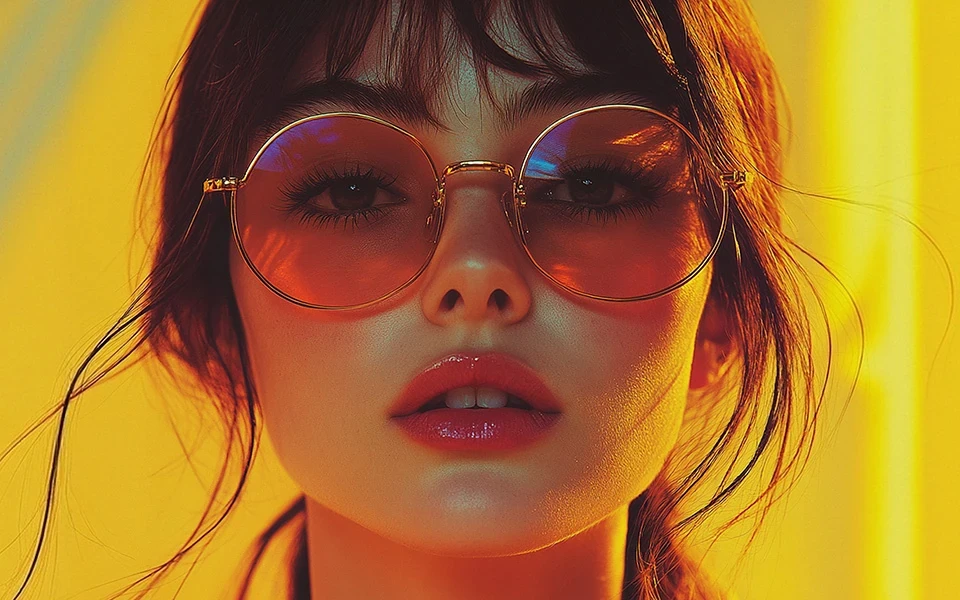
Creating a lifelike avatar begins with a strong understanding of how digital rendering works. At its core, realistic rendering relies on accurate interpretation of facial structure, lighting influence, and subtle expressions. These foundational elements shape how closely an avatar reflects the real person behind it. When captured correctly, they transform a simple digital image into a convincing human representation.
In the early stages of avatar creation, the quality of your source photos plays a significant role. Clear, natural lighting and distinct angles help the rendering engine understand depth, shape, and texture. This information gives the AI a much stronger base to work from, resulting in smoother skin gradients, more accurate contours, and more expressive features.
Modern AI tools are capable of analyzing these fine details at scale. By mapping out identifiers such as shadow behavior, skin tone variation, and micro-expressions, the system can recreate a face with impressive fidelity. When the rendering process begins with strong foundational data, the final result becomes far more lifelike, recognizable, and emotionally engaging.
Bringing Personality Into the Rendering Process
Lifelike rendering isn’t just about technical accuracy — it’s also about translating personality into visual form. The most compelling avatars are those that feel alive, expressive, and emotionally resonant. This comes from capturing the nuances that make each person unique, from the softness of their eyes to the shape of their smile.
This is where dynamic rendering comes into play. AI is now capable of detecting emotional cues in an image and preserving them through the rendering process. Instead of generating a blank or generic expression, it maintains the original energy present in the photo. This creates an avatar that feels familiar and authentic, rather than artificial or overly polished.
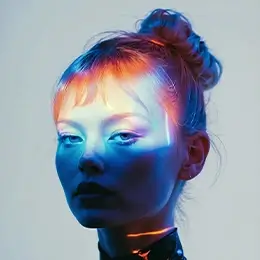
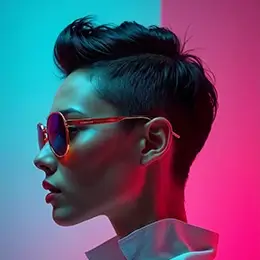
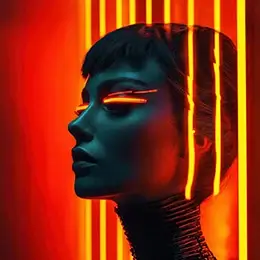
Style selection also plays a major role in enhancing personality. While realism focuses on accuracy, the chosen style adds mood, atmosphere, and visual language. Soft lighting may communicate warmth and approachability, while sharper contrasts create a more dramatic or professional look. By blending authenticity with artistic direction, avatars become representations that communicate not just how you look, but who you are.
Refining Your Digital Identity Through Realistic Rendering
Once your initial avatar is rendered, refinement becomes an ongoing creative process. Adjusting small elements like tone, detail intensity, or background context can significantly elevate the final look. These refinements help align your avatar with your personal aesthetic, whether you prefer a clean, minimal visual or a more stylized finish.
Consistency is key when using avatars across multiple platforms. A lifelike rendering allows you to maintain a stable visual identity that people instantly recognize. This is especially valuable for creators, professionals, and anyone building a personal brand. The more aligned your digital visuals are, the more cohesive and trustworthy your presence becomes.
Ultimately, mastering avatar rendering is about merging technical precision with authentic self-expression. It’s a process that empowers you to present your identity confidently in digital environments, from social feeds to virtual meetings. With the help of modern AI, lifelike avatars have become an accessible tool for shaping how you appear, connect, and communicate in an increasingly digital world.