Sep 15, 2025
Tracing the Evolution of Advanced Digital Avatars
From Simple Icons to Digital Beginnings
The earliest digital avatars were nothing more than simple icons — basic shapes, limited colors, and pixelated forms. They served as placeholders, signaling the presence of a user in early online environments but offering little room for personal expression. Despite their simplicity, these early avatars introduced the concept of digital identity at a time when the internet was still in its infancy.
As online interactions grew, users began wanting more expressive ways to represent themselves. The shift from anonymous icons to customizable characters marked an important step in the evolution of avatars. These early systems gave people their first taste of visual personalization, allowing them to choose colors, hairstyles, or basic features that reflected their preferences.
Although the technology remained limited, the desire for deeper expression was clear. People weren’t satisfied with a generic block on a screen; they wanted something more personal. This early demand set the stage for rapid innovation, eventually transforming avatars from crude symbols into meaningful extensions of our identity.
The Rise of Customization and Realism
As digital spaces became richer and more interactive, avatars evolved to match the growing complexity of online life. Enhanced graphics, improved rendering, and expanding customization tools allowed users to create avatars with individuality and depth. From gaming worlds to social platforms, avatars became a way to tell a story about who you were — or who you wanted to be.
The introduction of 3D modeling pushed this evolution even further. Suddenly, avatars could express emotion, posture, and movement in ways that felt more lifelike. People could experiment with styles, appearances, and environments that reflected their personal identities or creative aspirations. This marked a significant shift: avatars were no longer just visual markers, but expressive representations.
AI then changed everything. Instead of manually building avatars feature by feature, users could upload a few images and receive a realistic digital self. Facial structure, lighting, texture, and personality could be captured with astonishing accuracy. The combination of technology and creativity made avatars accessible, expressive, and more human than ever before.
A Future Defined by Personal Digital Identity
Today’s avatars are more than decorative visuals — they are central components of digital identity. In virtual meetings, social networks, online communities, and immersive worlds, avatars allow us to show up in ways that feel personal, polished, and consistent. They serve as bridges between the physical and digital, enabling connection that feels genuine even across screens.
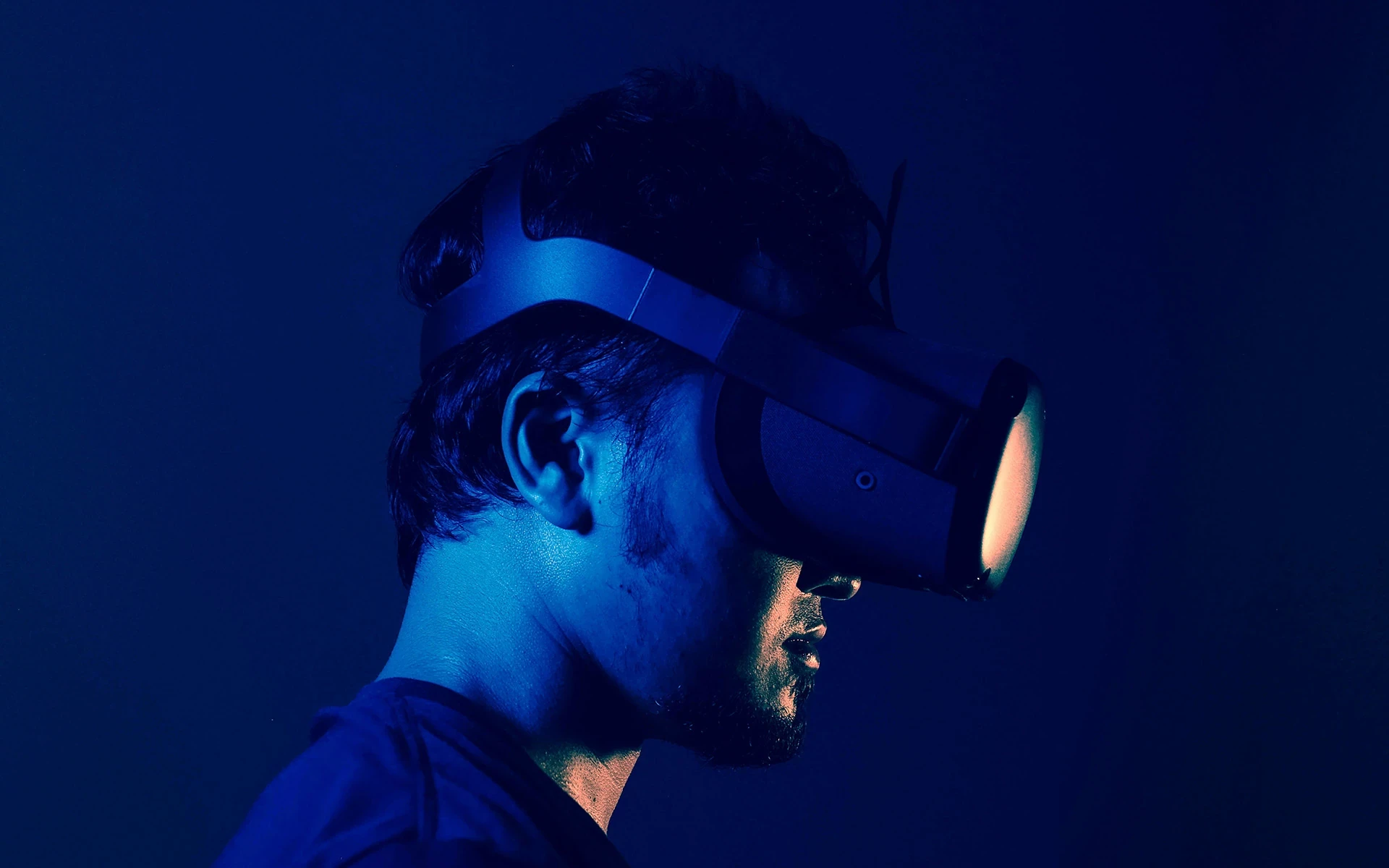
The future promises even greater integration. As virtual and augmented reality continue to expand, lifelike avatars will help us navigate fully immersive environments with familiarity and confidence. They will allow us to communicate more naturally, express ourselves more creatively, and participate in digital spaces with a sense of presence that mirrors real life.
Ultimately, the evolution of digital avatars reflects the evolution of human expression online. From pixelated icons to AI-powered realism, avatars have transformed into powerful tools for identity, creativity, and connection. With each technological leap, they bring us closer to a digital world where our true selves — in all their complexity — can be seen, shared, and experienced.